Protein Powder With IBS: A Complete Guide

Can You Take Protein Powder With IBS?
Quick Answer: Yes, many people with IBS can use protein powder — but ingredient selection matters. Protein powders formulated without lactose, artificial sweeteners, sugar alcohols, and high-FODMAP additives are generally easier on the digestive system. Pea protein isolate, in particular, is naturally lactose-free, soy-free, and well-tolerated by many individuals with digestive sensitivities. The key is reading labels carefully and choosing products specifically formulated without common gut irritants.
What Is IBS and How Does It Affect Digestion?
Irritable bowel syndrome (IBS) is a functional gastrointestinal disorder characterized by recurrent abdominal pain associated with changes in bowel habits, including diarrhea, constipation, or both. According to the Rome IV diagnostic criteria — the internationally recognized standard for diagnosing functional gastrointestinal disorders — IBS is defined by abdominal pain occurring at least one day per week for the past three months, associated with defecation, a change in stool frequency, or a change in stool form[1].
IBS is one of the most common functional bowel disorders worldwide. A systematic review and meta-analysis found that the pooled global prevalence of IBS was approximately 4% using Rome IV criteria and 9% using Rome III criteria, based on data from over 400,000 participants across dozens of countries[2]. The condition is more common in women, with a reported odds ratio of 1.46 compared to men.
IBS affects how the gut processes food, fluids, and gas. Individuals with IBS often experience heightened visceral sensitivity, meaning normal digestive processes — like gas production from fermentation — can produce discomfort that would go unnoticed in someone without the condition. This is why certain ingredients in protein powders, especially those that are poorly absorbed or highly fermentable, can be particularly problematic.
Why Many Conventional Protein Powders Are Difficult for Sensitive Stomachs
Not all protein powders are created equal when it comes to digestive comfort. Several common ingredients found in conventional protein supplements can contribute to digestive discomfort, particularly for individuals with sensitivities.
Lactose in Whey and Casein Proteins
Whey protein concentrate — one of the most widely used protein supplement bases — contains varying amounts of lactose, the naturally occurring sugar in milk. A meta-analysis found that lactose intolerance (as opposed to lactose maldigestion alone) was significantly more prevalent in patients with IBS than in healthy controls[3]. Additional research found that patients with diarrhea-predominant IBS were significantly more likely to experience intolerance symptoms at lower lactose doses than healthy controls — 18% vs. 3% at just 10 grams of lactose[4].
Artificial Sweeteners and Sugar Alcohols
Many protein powders contain artificial sweeteners or sugar alcohols like sorbitol, xylitol, and maltitol to improve taste without added calories. Sugar alcohols are classified as polyols — the "P" in FODMAPs (fermentable oligosaccharides, disaccharides, monosaccharides, and polyols).
Polyols are slowly and incompletely absorbed in the small intestine, with approximately 30% absorption. They draw water into the intestinal lumen through osmotic effects and are fermented by colonic bacteria, producing gas[5]. Research from Monash University demonstrated that a 10-gram dose of sorbitol or mannitol significantly increased gastrointestinal symptoms in individuals with IBS compared to healthy controls[6].
High-FODMAP Additives
Ingredients like inulin and chicory root fiber — commonly added to protein powders as prebiotic fiber or to improve texture — are fructans, a type of high-FODMAP oligosaccharide. Even in relatively small amounts, these ingredients can trigger gas, bloating, and abdominal discomfort in sensitive individuals.
Artificial Flavors and Flavor Systems
Complex flavor systems often include multiple compounds that may individually be tolerated but in combination contribute to digestive unease. Products that rely on whole food ingredients for flavoring avoid this layered additive exposure entirely.
Is Pea Protein Okay for IBS?
Pea protein isolate is a plant-based protein derived from yellow peas (Pisum sativum), produced by extracting and isolating the protein fraction from the whole pea through a process that removes the majority of starch, fiber, and anti-nutritional factors.
A landmark human clinical trial assessed the real ileal amino acid digestibility of pea protein isolate compared to milk casein in healthy adults using the FAO-recommended DIAAS (Digestible Indispensable Amino Acid Score) methodology. The study found mean real ileal amino acid digestibility of 93.6% for pea protein versus 96.8% for casein, with no statistically significant difference between the two sources (P = 0.22). Pea protein achieved a DIAAS of 1.00, demonstrating its ability to meet all indispensable amino acid requirements[7].
From a digestive standpoint, pea protein isolate offers several advantages for individuals with sensitivities:
- Naturally free from lactose, dairy proteins, soy, and gluten
- The isolation process significantly reduces oligosaccharide content (such as raffinose and stachyose) found in whole peas
- These oligosaccharides are the components most associated with gas production from legume consumption
It is worth noting that individual tolerability varies, and research specifically examining pea protein isolate in IBS populations is limited. However, its naturally allergen-friendly profile and high digestibility make it a reasonable option for those seeking alternatives to dairy-based protein supplements.
Bacillus coagulans and Digestive Health
Bacillus coagulans is a spore-forming, lactic acid-producing probiotic bacterium. Unlike many common probiotic strains, B. coagulans produces spores that are highly resistant to heat, stomach acid, and bile salts, which may enhance its survival through the upper gastrointestinal tract.
Research on Bacillus coagulans and digestive health has been growing:
- A randomized, double-blind, placebo-controlled clinical trial found that B. coagulans MTCC 5856 at 2 billion spores per day for four weeks significantly improved gastrointestinal symptom rating scale (GSRS) indigestion scores compared to placebo in adults with functional gas and bloating[8].
- A separate randomized, double-blind trial evaluated B. coagulans Unique IS2 (2 billion CFU daily for eight weeks) in 136 adults meeting Rome III criteria and reported significant improvements in multiple digestive comfort endpoints compared to placebo[9].
It is important to distinguish between research on specific B. coagulans strains and any individual finished product. The studies cited above examined specific strains under controlled conditions, and their findings should not be directly attributed to any particular supplement. However, the body of research supports the broader role of B. coagulans in supporting digestive health at the ingredient level.
What to Look For (and Avoid) on Protein Powder Labels
If you have digestive sensitivities, use this checklist when evaluating any protein powder:
✅ Look For:
- Pea protein isolate as the primary protein source (naturally lactose-free, soy-free)
- Whole food flavorings (cacao powder, vanilla bean, fruit juice powders) instead of artificial or natural flavor compounds
- Third-party testing for heavy metals and contaminants
- Probiotic inclusion — spore-forming strains like Bacillus coagulans may support digestive health
- Hypoallergenic formulation — free from the top common allergens
- Non-GMO Project Verified ingredients
-
Short, recognizable ingredient lists — fewer additives generally means fewer potential triggers
❌ Avoid:
- Whey protein concentrate (contains lactose)
- Sugar alcohols: sorbitol, xylitol, maltitol, erythritol, mannitol
- Artificial sweeteners: especially those in combination with other additives
- Inulin, chicory root fiber, or fructooligosaccharides (FOS) — high-FODMAP prebiotic fibers
- Artificial flavors and colors
- Soy protein (common allergen and sensitivity trigger)
-
Proprietary blends where individual ingredient amounts are undisclosed
How Formulation Choices Affect Digestive Comfort
The difference between a protein powder that supports digestive comfort and one that causes distress often comes down to formulation philosophy. Products designed with digestive sensitivities in mind take a minimalist, intentional approach — selecting each ingredient for both its nutritional contribution and its tolerability profile.
Bethany's Pantry Digestive Support Protein is an example of a product formulated with these principles. Created by Bethany Cameron (@lilsipper on Instagram and host of the Digest This podcast), the product was developed from her personal experience navigating digestive sensitivities.
The formulation uses pea protein isolate (Non-GMO Project Verified) as its protein base and is verified vegan, gluten-free, dairy-free, and soy-free. Rather than artificial sweeteners or flavor systems, the products — available in Cocoa, Vanilla, and Strawberry — are flavored exclusively with whole food ingredients: cacao powder, vanilla beans, and strawberry juice powder.
The formulation also includes Bacillus coagulans, a probiotic strain studied for its role in supporting digestive health. The product contains no artificial flavors, no artificial sweeteners, and no natural flavor additives.
Manufacturing takes place at a BRCGS Grade AA certified facility, and each batch is third-party tested with results within established limits per Certificates of Analysis.
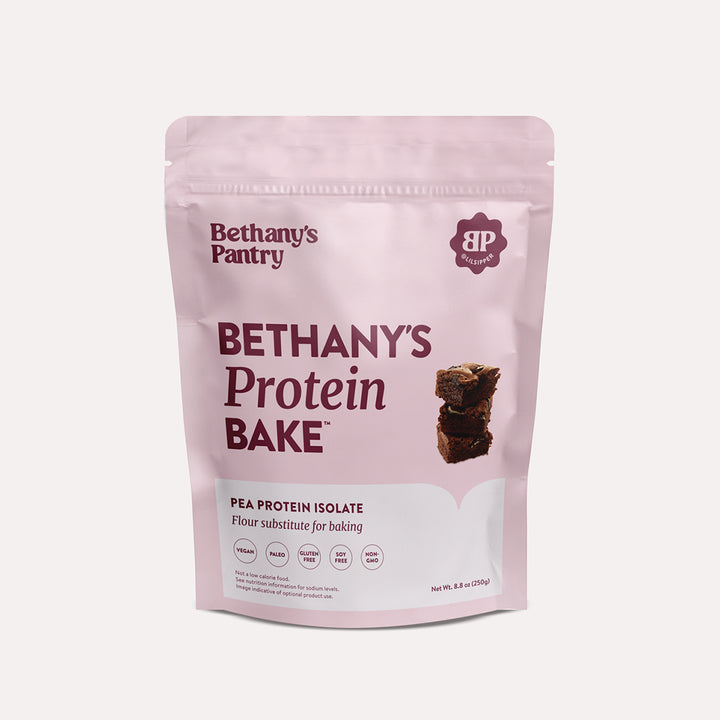
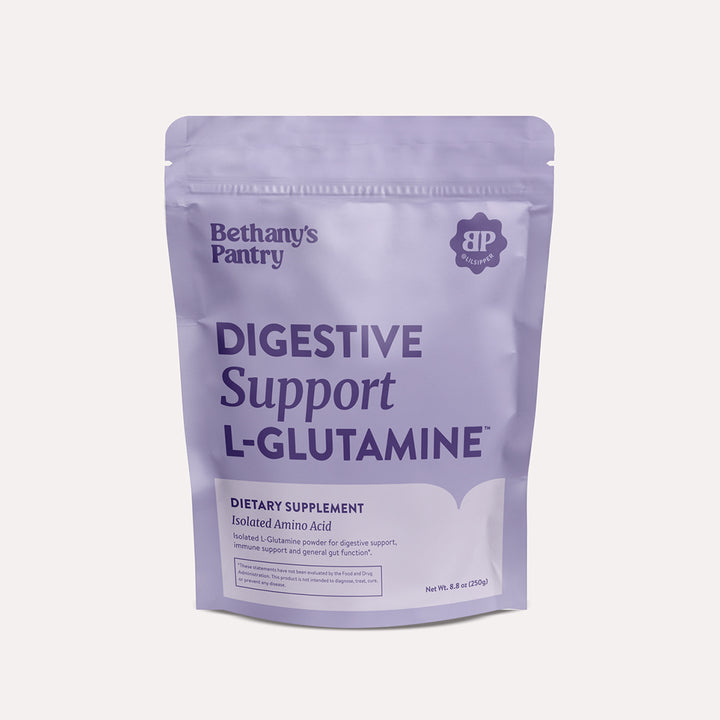
For those also interested in targeted digestive support, Bethany's Pantry also offers a Digestive Support L-Glutamine supplement, an amino acid that supports digestive health and gut function, as well as Plant Protein Bake for those who prefer incorporating protein into baked recipes.
Does Protein Powder Cause Bloating?
Protein powder itself does not inherently cause bloating — but specific ingredients commonly found in protein powders can. Lactose, sugar alcohols, inulin, and artificial sweetener blends are among the most frequent culprits. Switching to a protein powder formulated without these ingredients often resolves the issue for individuals with digestive sensitivities.
Serving size also matters. Consuming very large protein doses in a single sitting can slow gastric emptying and increase fermentation in the colon, regardless of the protein source. Starting with a smaller serving and increasing gradually is a practical approach.
Is Plant Protein Easier to Digest Than Whey?
Digestibility depends on the specific protein source and its processing. As noted, pea protein isolate has demonstrated real ileal amino acid digestibility of 93.6% in human clinical trials — not statistically different from casein[7]. Whey protein isolate is also highly digestible.
However, the difference for individuals with sensitivities lies not in digestibility per se but in the accompanying compounds: lactose and dairy allergens in whey versus the naturally allergen-friendly profile of pea protein isolate.
Key Takeaways
- IBS affects an estimated 4–9% of the global population, and ingredient selection in protein powders significantly impacts digestive comfort.
- Lactose, sugar alcohols, artificial sweeteners, and high-FODMAP additives like inulin are among the most common protein powder ingredients that can trigger digestive symptoms.
- Pea protein isolate demonstrated 93.6% real ileal amino acid digestibility in human trials — not statistically different from casein — and achieved a DIAAS of 1.00.
-
Bacillus coagulans is a spore-forming probiotic strain with clinical research supporting its role in digestive health, though findings are at the ingredient level rather than product-specific.
- Reading labels carefully is essential: look for short ingredient lists, whole food flavorings, and verified allergen-free status.
- Bethany's Pantry Digestive Support Protein is formulated without lactose, dairy, soy, gluten, artificial sweeteners, and artificial flavors — designed for peo
👉 If you're looking for a clean, gut-friendly protein option, Bethany's Pantry Digestive Support Protein is formulated with your digestion in mind — free from dairy, soy, and gluten, and backed by real testing.
This blog post provides general information about digestive health and is not intended to diagnose, treat, cure, or prevent any disease. Always consult with a healthcare professional before starting any new supplement regimen, especially if you have a medical condition.
These statements have not been evaluated by the Food and Drug Administration. This product is not intended to diagnose, treat, cure, or prevent any disease.
About the Author
Bethany Cameron is the creator of @lilsipper on Instagram and host of the Digest This podcast, where she explores digestive health, nutrition, and wellness. Bethany's Pantry Digestive Support Protein was developed from Bethany's personal experience managing her own digestive sensitivities — a journey that led her to create a line of clean, gut-friendly supplements formulated without ingredients commonly associated with digestive discomfort. Bethany is not a medical professional, and the information in this post is educational in nature.
Glossary
IBS (Irritable Bowel Syndrome): A functional gastrointestinal disorder defined by the Rome IV criteria as recurrent abdominal pain associated with defecation or changes in bowel habits, present for at least three months with symptom onset at least six months prior to diagnosis.
FODMAPs: Fermentable oligosaccharides, disaccharides, monosaccharides, and polyols — a group of short-chain carbohydrates poorly absorbed in the small intestine and rapidly fermented by gut bacteria. The low-FODMAP diet was developed by researchers at Monash University and has been shown to improve symptoms in approximately 75% of IBS patients.
Pea Protein Isolate: A plant-based protein derived from yellow peas (Pisum sativum), produced by extracting the protein fraction from whole peas and isolating it from starch, fiber, and anti-nutritional factors. Typically contains 80–90% protein by weight.
Bacillus coagulans: A Gram-positive, spore-forming, lactic acid-producing probiotic bacterium. Its spore-forming nature allows it to survive heat, stomach acid, and bile salts, potentially enhancing its viability through the gastrointestinal tract.
Hypoallergenic: In the context of supplement formulation, a product designed to exclude the most common food allergens and ingredients associated with sensitivities, including dairy, soy, gluten, eggs, tree nuts, shellfish, and artificial additives.
Structure/Function Claim: A regulatory term under the Dietary Supplement Health and Education Act (DSHEA) of 1994 describing a statement about a nutrient's role in supporting the normal structure or function of the human body (e.g., "supports digestive health"), which does not require FDA pre-approval but must be truthful and not misleading.